

Choosing the best solar panel for a camper van means balancing roof space, power needs, and the chance of shade from trees, roof gear, or nearby buildings. These five options range from a compact 200W panel to a two-panel 400W setup. Compare their stated features with your roof measurements, battery system, and charge controller before you buy.
Quick Comparison
| Product | Rated Output | Standout Feature | Best Fit |
|---|---|---|---|
| Renogy 200W N-Type Solar Panel | 200W | Compact design and 25% cell efficiency | Space-limited van roofs |
| ECOBOSS 200W N-Type Solar Panel | 200W | TÜV certification and stated 25.8% cell efficiency | Shoppers prioritizing certifications |
| Renogy ShadowFlux 200W Solar Panel | 200W | Anti-shading technology | Roofs where partial shade is hard to avoid |
| HilapriSol 400W Bifacial Solar Panel Kit | 400W total | Two panels with a multi-zone design | Vans with room for a larger array |
| RICH SOLAR MEGA 250W Solar Panel | 250W | Compact N-Type panel with rugged construction | Those seeking more output from one panel |
Our Picks: Best solar panel for camper van reviews
Best Overall: Renogy 200W N-Type Solar Panel
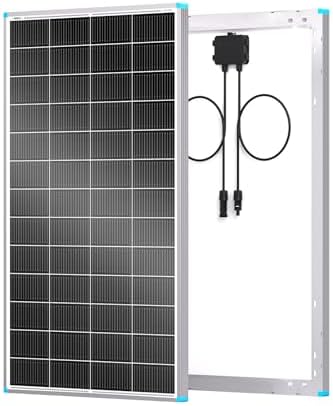
This rigid 200W panel is designed with limited roof space in mind. Renogy says it is smaller and lighter than its previous models, while using N-Type cells and 16-busbar technology to reach a stated cell efficiency of 25%. For a camper van, a more compact panel can make it easier to plan around roof vents, racks, and other equipment.
The panel is described as a 24V module that can work with 12V or 24V battery systems, including lithium, AGM, and deep-cycle batteries. That does not mean you can connect it directly to a battery: you will need a compatible charge controller and properly sized wiring. Its stated low temperature coefficient may also help limit output loss in hot conditions.
One practical strength is the combination of compact size and a long stated output commitment: Renogy lists a 10-year material and workmanship commitment and a 25-year period at 80% output. The main limitation is its 200W rating. Your actual energy harvest will vary with sun, shade, panel angle, and system setup, so this single panel may not meet the needs of a van with heavy daily power use.
Compared with the other picks, this is a balanced choice for a smaller roof. Choose the ShadowFlux instead if partial shade is your main concern, or the RICH SOLAR panel if you have room for a higher-rated single panel.
Pros:
- Compact design aimed at Class B vans and other tight spaces
- Stated 25% cell efficiency with N-Type 16BB technology
- Compatible with 12V and 24V battery systems when paired with suitable equipment
- Long stated output warranty period
Cons:
- At 200W, it may not provide enough energy on its own for high-use setups
- A compatible charge controller and mounting hardware are still needed
Verdict: Pick this Renogy panel if roof space is tight and you want a compact 200W option from an established solar brand.
Best for Certification Details: ECOBOSS 200W N-Type Solar Panel

The ECOBOSS is a rigid 200W panel with N-Type 16BB cells and a stated conversion efficiency of up to 25.8%. Its listed dimensions are 52.8 by 30.3 inches, and it weighs 23.8 pounds. Measure your roof carefully before choosing it, especially if you need to leave room for a fan, roof rack, or other equipment.
Its listed certifications include TÜV certification to IEC 61215, IEC 61730, and UL 61730. The panel also has tempered glass, an aluminum frame, and pre-drilled mounting holes. Those details make it worth considering if certification information and a conventional rigid-panel design are important to you.
The manufacturer describes a series-parallel cell-string layout intended to help unshaded sections continue producing when another part of the panel is shaded. That could be useful on a van roof with occasional obstructions, but it does not remove the need to plan around shade. The listing also cautions that no more than three panels should be connected in series or in parallel, and that connection materials must be rated for the current. Follow the product instructions and have a qualified installer check your system if you are unsure.
Compared with the Renogy 200W options, the ECOBOSS stands out for its stated certifications and documented dimensions. It is less compelling if you need a very compact panel or want a specifically stated anti-shading design.
Pros:
- Listed TÜV certifications for photovoltaic module and safety standards
- Stated cell efficiency of up to 25.8%
- Tempered glass, aluminum frame, and pre-drilled mounting holes
- Manufacturer describes a cell layout intended to limit partial-shade losses
Cons:
- Its listed size and 23.8-pound weight may be a challenge for some van roofs
- Connection limits and component ratings require careful system planning
Verdict: Choose the ECOBOSS if its certification details and stated shade-handling design suit your installation, and its size fits your roof.
Best for Partial Shade: Renogy ShadowFlux 200W Solar Panel

The ShadowFlux is another 200W Renogy panel, but its defining feature is the brand’s anti-shading technology. Renogy says the design helps maintain power generation when parts of the panel are shaded by objects such as buildings, plants, or stains. That makes it a relevant option for vans that often park under trees or have unavoidable roof obstructions.
It uses N-Type 16BB cells and has a stated cell efficiency of 25%. The product information also lists an IP67-or-higher rating and describes protection against conditions such as rain, snow, and small hail. Renogy says the panel is more compact than PERC panels, which may help when planning a crowded roof.
Anti-shading features can help, but they do not make a panel immune to shade. The panel’s position, the size of the obstruction, and the rest of your electrical system still matter. Its listed warranty terms include a five-year output, material, and workmanship commitment, plus a 25-year output period at 80%—a shorter initial commitment than the other Renogy 200W panel in this guide.
Compared with the standard Renogy 200W panel, this model is the more targeted choice when partial shade is a regular concern. If shade is rare and you mainly want the longest stated initial warranty commitment, consider the standard model instead.
Pros:
- Anti-shading technology is designed for partially obstructed conditions
- Stated 25% cell efficiency with N-Type 16BB cells
- Compact design for roof layouts with limited room
- Listed IP67-or-higher protection rating
Cons:
- Shade can still reduce output, so careful placement remains important
- Its stated initial material and workmanship commitment is shorter than that of the standard Renogy 200W pick
Verdict: The ShadowFlux is a sensible 200W option if you cannot reliably keep shade off your van’s roof.
Best Higher-Output Kit: HilapriSol 400W Bifacial Solar Panel Kit

This set includes two 200W panels for 400W of rated solar capacity. Each uses N-Type 16BB cells, half-cut cells, and a multi-zone design that the manufacturer says can reduce power loss from partial shade. Two panels can give you more rated capacity than a single 200W option, but they also need substantially more roof area and careful electrical planning.
The panels are described as bifacial, with a transparent backsheet intended to let the rear side collect reflected light. The listing says rear-side generation can add up to 30% in favorable reflective conditions. Treat that as a best-case possibility rather than a guaranteed boost: a panel mounted close to an ordinary van roof may not have the reflective space and light needed to achieve it.
Each panel has an aluminum frame, 3.2mm tempered glass, and an IP68-rated junction box. Pre-drilled mounting and grounding holes are listed as installation features. The set is described for 12V or 24V battery applications, but a compatible charge controller and suitable wiring are still required. The product information also specifies a maximum of three panels in series or in parallel, so check the manufacturer’s connection guidance before expanding the array.
Compared with the single-panel choices, this kit is the best fit when you need a larger array and have enough roof space. It is not the most practical pick for a compact van roof or a simpler, lower-output setup.
Pros:
- Two panels provide 400W of combined rated capacity
- Multi-zone design is intended to reduce partial-shade losses
- Bifacial construction may add output in suitable reflective conditions
- IP68-rated junction box and pre-drilled mounting and grounding holes
Cons:
- Requires more roof space than a single-panel option
- The possible rear-side gain depends on mounting and surrounding conditions
Verdict: Choose this two-panel kit if your van roof can accommodate the array and you want more rated capacity than a single panel offers.
Best Single Panel for More Rated Power: RICH SOLAR MEGA 250W

The RICH SOLAR MEGA is a 250W N-Type panel designed to offer more rated output than the 200W single-panel choices. The brand says it is 10% smaller than traditional 250W panels, which could help when fitting solar around other roof equipment. Its stated cell efficiency is up to 25.1%, using TOPCon cells with a 16-busbar, half-cut design.
For outdoor use, the listing specifies an IP68 weatherproof junction box, IP67 connectors, and an anodized aluminum frame. It also describes pre-drilled holes for different mounting styles and three-foot pre-attached cables with MC4 connectors. The panel is listed as UL safety certified and comes with a stated 25-year power output warranty and 10-year material warranty.
The panel’s 12V description is an important compatibility detail. Check its electrical specifications against your charge controller and battery setup before connecting it, especially if you plan to combine it with other panels. The included cables may simplify wiring, but mounting hardware is not guaranteed to be part of the panel package; the product information says separately purchased brackets are packed inside the panel carton.
Compared with the 200W panels, this model offers a higher stated output in one panel. It may be a better fit if you have room for its footprint and want to build around a 12V panel, while the Renogy options may suit buyers who prioritize a specifically compact design or shade-focused features.
Pros:
- 250W rated output in a space-saving design, according to the manufacturer
- Stated cell efficiency of up to 25.1%
- IP68 junction box and IP67 connectors
- Pre-attached MC4 cables and a stated 25-year power output warranty
Cons:
- Check that its 12V panel specifications match your controller and system
- Mounting brackets may need to be purchased separately
Verdict: Pick the RICH SOLAR MEGA if you want a single panel rated above 200W and its size and 12V specifications fit your van system.
How to Choose a Solar Panel for a Camper Van
Start with your daily energy use
List the devices you plan to power and estimate how long you will use each one. Your needs may be very different if you charge small electronics than if you also plan to run larger appliances. Compare that daily demand with the solar capacity you can fit and the battery storage you plan to use. A panel’s watt rating is not a promise of the energy it will produce each day.
Measure the usable roof area
Measure the open roof space, then account for vents, antennas, roof racks, and room for mounting. Check the panel’s full dimensions—not just its rated output—and leave space for safe installation. A compact panel may be easier to position, while a two-panel array can offer more rated capacity if your roof has enough clear area.
Plan for shade and parking conditions
Shade from trees, buildings, or roof equipment can affect solar production. If you often park in shaded places, consider a panel with a stated design for partial-shade performance, such as the Renogy ShadowFlux or the ECOBOSS. These features can help with some shading situations, but they do not replace careful panel placement or guarantee full output in shade.
Match the panel to your battery and charge controller
Check the panel’s voltage and electrical specifications against your battery system and charge controller. The panels in this guide have different system descriptions, including a 12V panel and panels listed for 12V and 24V battery applications. A compatible charge controller is needed between the panel and battery, and the controller, wiring, and connectors must be rated for your planned setup.
Choose between one panel and an array
A single panel can keep a system simpler and may be easier to fit on a small roof. Multiple panels can provide more rated capacity, but they take up more space and must be connected correctly. Before expanding an array, confirm the charge controller’s limits and the panel maker’s instructions for series or parallel wiring.
Consider construction and installation details
Look at the frame, glass, junction-box rating, connector type, mounting holes, and stated warranties. Those details affect how a panel fits your planned installation and what extra parts you may need. A panel with pre-attached cables, for example, may simplify part of the wiring, but it does not necessarily include mounting brackets or a charge controller.
Set realistic expectations for rated output
Rated wattage is a useful way to compare panels, but real energy production depends on sun exposure, shade, panel angle, temperature, and system losses. Bifacial panels may collect additional light from the rear in favorable conditions, but the gain depends on the surface and space around the panel. Plan your system around your needs, and allow for days when solar production is lower.
Frequently Asked Questions
How many watts of solar do I need for a camper van?
It depends on what you use each day, how much battery storage you have, and how much clear sunlight your van gets. List your expected electrical use first, then compare it with the panel capacity you can fit. A 200W panel may suit a modest setup, while a higher-use system may call for more panel capacity and storage.
Can I connect a solar panel directly to my van battery?
These panels should be used with a compatible charge controller rather than connected directly to a battery. Match the controller and wiring to the panel’s electrical specifications and your battery system. Follow the product instructions or ask a qualified installer if you are not sure how to size the components.
Will a solar panel still work in partial shade?
It can still generate electricity, but shade can reduce output. Some panels in this guide are specifically described as using anti-shading or multi-zone designs to help limit losses. The amount of power available will still depend on how much of the panel is shaded and how the rest of the system is configured.
Are bifacial panels worth considering on a camper van?
They may be worth considering if the rear side can receive reflected light. The HilapriSol listing describes up to 30% additional rear-side gain under favorable conditions, but that figure is not guaranteed. A panel mounted close to a van roof may not have the conditions needed to make the most of bifacial construction.
Can I mix different solar panels in one array?
Mixing panels can change how the array performs, so do not assume that panels with different wattages or electrical specifications can be combined freely. Check the charge controller’s limits and the instructions for each panel. A qualified installer can help confirm that a mixed array is safe and suitable.
Does a solar panel include everything needed for installation?
Not necessarily. The products listed here describe features such as pre-drilled holes or pre-attached cables, but that does not mean every required part is included. Check the product listing for mounting brackets, charge controller, wiring, and any other components your installation needs.
Final Recommendation
For a compact, general-purpose 200W choice, the Renogy N-Type panel is a strong place to start. Choose the Renogy ShadowFlux if partial shade is a regular concern, the ECOBOSS if its listed certifications are a priority, the HilapriSol kit if you have room for a 400W array, or the RICH SOLAR MEGA if you want a single panel rated at 250W. Before ordering, measure your roof and confirm that the panel, charge controller, battery, and wiring are compatible.