

The best foam roller for you depends on how much pressure you like, where you plan to roll, and whether you need a compact tool or a wider surface. A textured roller can offer more targeted pressure, while a smooth, firm roller gives you a simpler option for exercise and general self-massage. These five picks include both styles, from short rollers that are easy to carry to a longer model built for broader coverage.
Quick Comparison
| Foam roller | Length | Surface and design | Best for |
|---|---|---|---|
| TriggerPoint Grid 1.0 Foam Roller | 13 inches | Multi-density textured surface; hollow core | Targeted pressure in a compact size |
| Amazon Basics High-Density Foam Roller | 18 inches | Firm, high-density foam; molded edges | General exercise and recovery |
| TriggerPoint Grid 2.0 Foam Roller | 26 inches | Multi-density textured surface; rigid hollow core | Wider coverage and added stability |
| TriggerPoint Grid Foam Roller, Original | 13 inches | Multi-density exterior; rigid hollow core | Compact textured rolling with video guidance |
| Amazon Basics Foam Roller | 12 inches | Firm polypropylene foam; molded edges | Portable, straightforward rolling |
Our Picks: Best foam rollers reviews
TriggerPoint Grid 1.0: Best for Targeted Pressure in a Compact Size

The TriggerPoint Grid 1.0 is a 13-inch roller with a textured, multi-density surface and a hollow core wrapped in EVA foam. Its pattern combines ridges and nodules, so you can shift your position on the roller to change the pressure and feel. The firmer construction is intended to provide more focused compression than a basic smooth foam roller.
Its shorter length makes it easier to store and carry than the 26-inch Grid 2.0, but it also gives you less rolling area at once. That can be useful when you want a compact tool for specific muscle groups; it may take more careful positioning when working across a broader area like the back. The textured surface can feel intense, especially if you are new to foam rolling, so start with light pressure and short sessions.
The durable hollow-core design is meant to keep its shape with repeated use. Compared with the smooth Amazon Basics models, this roller offers more surface variation and a more targeted feel, but costs you some simplicity if you prefer an even, uniform surface.
Pros:
- Textured, multi-density surface lets you vary pressure.
- Compact 13-inch size is easier to store and carry.
- Hollow core and EVA foam are designed for repeated use.
- Can target different areas by changing your position on the roller.
Cons:
- Shorter length offers less coverage than a full-size roller.
- Firm, textured pressure may feel too intense for some beginners.
Verdict: Choose the Grid 1.0 if you want a compact roller with a firm, varied surface for targeted self-massage.
Amazon Basics 18-Inch Roller: Best for General Exercise and Recovery

This 18-inch Amazon Basics roller has a firm, high-density polypropylene construction and a smooth surface with molded edges. Its straightforward design suits people who want one tool for balance, flexibility, strengthening, and general rolling rather than a ridged surface for focused pressure.
At 18 inches long, it sits between the compact 12- and 13-inch options and the wide TriggerPoint Grid 2.0. That middle length offers more room to position your body than the shortest rollers without taking up as much space as a 26-inch model. It is also described as lightweight and easy to reposition during workouts.
The smooth surface provides a more even contact feel than the textured TriggerPoint rollers. That may be a better fit if you want a basic roller, though it does not offer the same variety of ridges and pressure zones. Its firm build is intended to maintain its shape, and the surface wipes clean easily.
Pros:
- 18-inch length balances portability and coverage.
- Smooth surface offers a simple, uniform rolling feel.
- Designed for balance, strengthening, and flexibility work.
- Lightweight and easy to wipe clean.
Cons:
- No textured zones for changing the pressure pattern.
- Firm construction may not suit those seeking a softer roller.
Verdict: Pick this model if you want a no-frills, medium-length roller for workouts and general rolling rather than a massage-style textured surface.
TriggerPoint Grid 2.0: Best for Wider Coverage and Stability

The Grid 2.0 is the longest option in this lineup at 26 inches. Its multi-density surface uses three distinct zones: a wider, flatter area, a tubular ridge, and firmer points. The different shapes let you adjust where and how the roller makes contact as you move across an area.
A rigid hollow core wrapped in EVA foam is designed to maintain consistent firmness. The extra length gives you a wider rolling surface and more balance than the 13-inch Grid models, which can be helpful when working across the back, hamstrings, quads, IT band, or calves. It is also the less compact choice here, so consider your storage space and how often you plan to carry it.
The manufacturer states that the roller supports up to 500 pounds and includes a one-year warranty. It also provides access to online instructional videos covering rolling techniques for several body areas. Those are useful additions if you want guidance, though the textured surface may feel demanding if you prefer a smooth roller or are just starting out.
Pros:
- 26-inch length offers wider coverage and added stability.
- Three surface zones allow varied contact and pressure.
- Rigid core is designed to maintain firmness with use.
- Includes access to instructional videos and a one-year warranty.
Cons:
- Longer size is less convenient to store or carry.
- Textured, firm surface may be uncomfortable for pressure-sensitive users.
Verdict: Choose the Grid 2.0 if you want a wide, firm roller with textured zones and do not mind its larger footprint.
TriggerPoint Grid Original: Best Compact Pick with Video Guidance

This original TriggerPoint Grid is a 13-inch textured roller built with a multi-density exterior over a rigid, hollow core. Its design is intended to provide different pressure sensations across the surface, while the compact size makes it easier to fit into a workout area or carry along than the longer Grid 2.0.
The sturdy core is designed not to break down or lose shape with repeated use. The product also includes access to an online instructional video library with foam-rolling guidance. That can be helpful if you want a starting point for technique, but it does not replace advice from a health professional when you have an injury or ongoing pain.
This model overlaps with the Grid 1.0: both are 13-inch TriggerPoint rollers with a multi-density surface and a hollow core. The supplied product details for this version emphasize its construction and video access, while the Grid 1.0 description gives more detail about EVA foam and the surface pattern. Choose based on the specific features and color you prefer, and check the listing for the version being offered.
Pros:
- Compact 13-inch design is easier to store and transport.
- Multi-density exterior provides varied surface pressure.
- Rigid hollow core is designed to hold its shape.
- Includes access to online technique videos.
Cons:
- Shorter length provides less coverage than the Grid 2.0.
- Firm texture may be a challenging starting point for some people.
Verdict: Consider the original Grid if you want a compact textured roller and value access to basic instructional videos.
Amazon Basics 12-Inch Roller: Best for Easy Portability
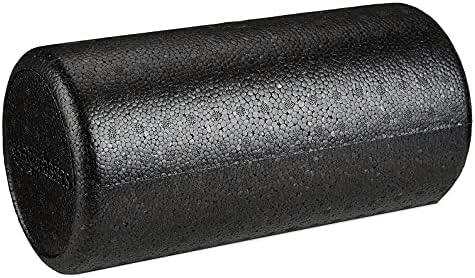
This 12-inch Amazon Basics roller is the shortest pick here. It has a firm polypropylene foam construction, a smooth surface, and molded edges. Its compact size is a practical fit if you want a basic roller that is easy to take to a class or gym session and simple to store between uses.
The roller is intended for exercise, balance, flexibility, strengthening, and self-myofascial release. Its smooth design gives you consistent contact rather than the distinct pressure zones found on the TriggerPoint Grid rollers. It is also described as resistant to deformation with regular use and easy to wipe clean.
The main trade-off is length: 12 inches gives you less room to position your body than the 18-inch Amazon Basics roller, and much less than the 26-inch Grid 2.0. That makes it portable, but may be limiting if you prefer a wider surface for rolling larger areas. The firm feel is another point to consider if you are sensitive to pressure.
Pros:
- Compact 12-inch size is easy to carry and store.
- Firm construction is designed to maintain its shape.
- Smooth surface supports general rolling and exercise use.
- Wipes clean easily and has molded edges.
Cons:
- Short length offers limited room for positioning.
- Does not have textured zones for targeted pressure.
Verdict: Go with this model if portability and a simple, firm design matter more to you than a long rolling surface or textured massage zones.
How to Choose a Foam Roller
Pick a length that fits your routine
Short rollers are easier to store and carry, but they provide less room to position your body. A 12- or 13-inch model can work well when portability is a priority. An 18-inch roller offers a middle ground, while a 26-inch roller gives you a wider surface and more stability but takes up more space.
Choose smooth or textured based on pressure preference
A smooth roller gives you more even contact across its surface. Textured models, like the TriggerPoint Grid options, use ridges and nodules to vary the sensation as you move. That can help you focus pressure on a smaller area, but the feel may be more intense. If you are new to rolling or sensitive to pressure, start gently and stop if you feel sharp or worsening pain.
Consider firmness and construction
All five picks are described as firm or designed to provide firm support. The TriggerPoint models use a rigid hollow core with a foam exterior, while the Amazon Basics options use polypropylene foam construction. Think about whether you want a firm, massage-like feel or a smoother, more basic tool. A firm roller is not automatically the right choice for every body or routine.
Match the roller to how you plan to use it
If you want a roller for general exercise, balance, and flexibility work, a smooth Amazon Basics option may be sufficient. If you want varied surface pressure, one of the Grid rollers may suit your preferences better. For wider coverage, the 26-inch model is the clear size choice; for taking your roller to the gym, a shorter option is easier to manage.
Look for guidance if you are learning
Foam rolling technique can vary by body area, and the TriggerPoint Grid 2.0 and original Grid include access to instructional videos. Use a stable, non-slippery surface, move slowly, and avoid rolling directly over joints or areas that feel injured. If you have a health concern or persistent pain, ask a qualified health professional for guidance.
FAQs
What length foam roller should I choose?
Choose a shorter roller if portability and storage are your main concerns. A longer roller gives you more room to position your body and can offer added stability. In this group, the options range from 12 to 26 inches.
Is a textured foam roller better than a smooth one?
Neither style is best for everyone. A smooth roller provides more even contact, while a textured roller offers different pressure zones. Your comfort and intended use should guide your choice.
Are firm foam rollers suitable for beginners?
They can be, but firm pressure may feel intense at first. Use light pressure, keep sessions short, and adjust your position if a spot feels uncomfortable. Stop if you feel sharp or worsening pain.
Can I use a foam roller every day?
How often to roll depends on your comfort, routine, and health needs. Start with a short session and pay attention to how your body responds. If you have an injury or ongoing symptoms, seek guidance from a qualified health professional.
What is the difference between the TriggerPoint Grid 1.0 and Grid 2.0?
The Grid 1.0 is 13 inches long, while the Grid 2.0 is 26 inches long. Both have a multi-density textured surface and a hollow core. The longer Grid 2.0 offers more rolling area and stability, but is less compact.
How do I clean a foam roller?
The Amazon Basics models are described as easy to wipe clean. For other rollers, follow the care instructions provided with the product. Let the surface dry before storing it.
Final Recommendation
For targeted pressure in a compact design, the TriggerPoint Grid 1.0 is a strong place to start. Choose the Grid 2.0 if wider coverage matters more than portability, or the Amazon Basics 18-inch roller if you prefer a smooth surface for general exercise and rolling. The 12-inch Amazon Basics model is the most compact option, while the original TriggerPoint Grid pairs a short textured design with access to instructional videos. Pick the size and surface you are most likely to use comfortably and consistently.