

The best rug pad for hardwood floors should help keep your rug in place while adding a protective layer between the rug and the floor. The right choice depends on whether you need grip, extra cushioning, or both. These five options include dual-surface felt-and-rubber pads, a waterproof-backed pad, and felt-only pads for rugs that are already held down by furniture.
Quick Comparison
| Product | Type | Thickness | Best for |
|---|---|---|---|
| Mohawk Home Dual Surface Rug Pad | Felt and latex rubber | 1/4 inch | Grip and cushioning in one pad |
| RUGPADUSA Dual Surface Rug Pad | Felt and natural rubber | 1/4 inch | A cushioned, low-profile hold |
| TUOTPE Waterproof Non-Slip Rug Pad | Felt and waterproof TPR | Not specified | Water resistance and a trim-to-fit pad |
| RUGPADUSA Basics Felt Rug Pad | 100% felt | 1/4 inch | Cushioning under rugs anchored by furniture |
| Mohawk Home Protective Cushioning Rug Pad | Felt only | 1/4 inch in this option | Softness and floor protection under heavy rugs |
Our Picks: Best rug pad for hardwood floors reviews
Mohawk Home Dual Surface Rug Pad: Best for Grip and Cushion
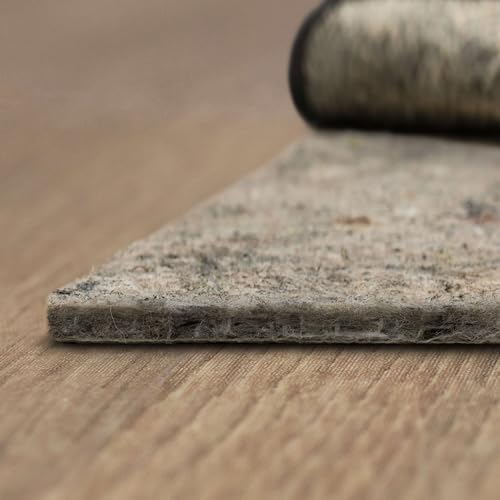
This 1/4-inch pad combines recycled felt with a latex rubber backing. The rubber side is designed to grip the floor, while the felt adds a layer of cushioning and helps protect the surface beneath the rug. That makes it a practical all-in-one option if you want both a steadier rug and a softer feel underfoot.
For hardwood, place the felt side toward the floor, as directed in the product information. The pad can be trimmed with scissors to fit your rug, and it can also be used on carpet with the felt side facing up. Its stated dual-surface design makes it more versatile than a felt-only pad, though the latex backing may not suit every floor finish. Check your flooring manufacturer’s care guidance before use.
Pros:
- Combines felt cushioning with a rubber grip layer.
- Designed to help reduce rug slipping, bunching, and wrinkles.
- Can be trimmed to fit the rug.
- Made in the USA and includes a one-year limited manufacturing defects warranty, according to the product details.
Cons:
- The rubber backing may not be the right choice for every floor finish; check compatibility first.
- It is a 1/4-inch pad, so it may not provide the plush feel of a thicker option.
Verdict: Choose this Mohawk Home pad if you want a versatile, cushioned option with a grip layer, and your hardwood finish is compatible with latex rubber.
RUGPADUSA Dual Surface: Best Low-Profile Felt-and-Rubber Option

This pad pairs 1/4-inch recycled felt with a natural rubber backing. Its construction is meant to help anchor a rug while adding some padding, insulation, and sound absorption without a bulky profile. It is a close alternative to the Mohawk Home dual-surface pad, with product details that specifically identify the backing as natural rubber.
RUGPADUSA says the pad contains no glues, PVC, or non-stick adhesives and is designed for use on several hard surfaces, including hardwood. Its felt is needle-punched, which the manufacturer says helps prevent moisture buildup. Trim it to fit your rug, and follow the floor maker’s guidance if you are unsure about using rubber-backed products on your finish.
Pros:
- Natural rubber backing is designed to help keep rugs anchored.
- Felt adds cushioning, insulation, and sound absorption.
- Made with recycled felt and listed as odorless and low in VOCs.
- Product details state it is suitable for hardwood and other hard surfaces.
Cons:
- At 1/4 inch thick, it offers moderate rather than plush cushioning.
- As with any rubber-backed pad, confirm that it is appropriate for your floor’s finish.
Verdict: This is a strong pick if you want a relatively slim felt-and-rubber pad and prefer a product whose details specify natural rubber backing.
TUOTPE Waterproof Rug Pad: Best for Added Moisture Resistance

The TUOTPE pad uses a felt top layer and a waterproof TPR backing. The product description says the felt helps grip the rug while the backing helps keep the pad from sliding on hard floors. It is also described as trim-to-fit, with instructions to cut it about two inches smaller than the rug.
This option stands out for its stated waterproof construction, which may be useful in areas where spills are a concern. However, the provided details do not specify the pad’s thickness, so it is harder to compare its cushioning with the 1/4-inch options above. Although the listing says it is suitable for hardwood, check your floor maker’s guidance and keep the pad clean and dry as part of routine care.
Pros:
- Felt-and-TPR construction is described as waterproof.
- Designed to help limit rug movement and curling.
- Can be cut to fit different rug sizes.
- Product details list it for hard surfaces, including hardwood and tile.
Cons:
- The supplied product details do not state its thickness.
- It does not offer the specified 1/4-inch cushioning details found with some other picks.
Verdict: Consider the TUOTPE if waterproof backing is your main priority, but choose a pad with stated thickness if cushioning is important to your decision.
RUGPADUSA Basics Felt Pad: Best for Rugs Anchored by Furniture

This 100% felt pad is designed to add cushioning, insulation, and sound absorption beneath a rug. Its 1/4-inch thickness provides a buffer between the rug and hardwood, which can help limit abrasion from everyday use. The product details say it contains no glue, PVC, or latex.
The key limitation is clear: this pad is not non-slip. It is intended for heavier rugs or rugs held in place by furniture, rather than lightweight rugs that need help staying put. If your rug sits in an open walkway or tends to shift, a felt-and-rubber option is a better match. The pad can be trimmed to fit, and thicker versions are also listed by the brand.
Pros:
- 100% felt construction adds cushioning without a rubber backing.
- Designed to help protect floors from abrasion.
- May help with sound reduction and insulation.
- Can be cut to fit and contains no glue, PVC, or latex, according to the product details.
Cons:
- Not designed to stop a rug from slipping.
- Best suited to rugs secured by furniture or heavy rugs that stay in place on their own.
Verdict: Pick this felt pad when your rug is already anchored and you want cushioning and floor protection without a non-slip backing.
Mohawk Home Protective Cushioning: Best Felt Pad for a Softer Feel

This felt-only pad is made to add softness, sound absorption, and insulation under an area rug. The listed 1/4-inch option is one of three thickness choices described in the product information. It is intended for rugs held down by furniture, décor, or their own weight—not for stopping a light rug from sliding across hardwood.
The felt layer can help separate a rug from the floor and is designed to protect against scratches, dents, and daily wear. You can trim it with scissors, and the product recommends cutting it one to two inches smaller than the rug. Compared with Mohawk Home’s dual-surface pad, this option focuses on cushioning rather than grip.
Pros:
- Felt construction adds cushioning and is designed to protect the floor.
- Available in several thickness options, according to the product details.
- Can be trimmed to fit a rug’s shape and size.
- May help reduce sound and add insulation underfoot.
Cons:
- Felt only; it is not intended to keep an unsecured rug from slipping.
- For best results, the rug should be heavy or anchored by furniture.
Verdict: Choose this Mohawk Home pad if comfort and floor protection matter more than grip and your rug is already held firmly in place.
How to Choose a Rug Pad for Hardwood Floors
Decide whether your rug needs grip
If your rug shifts when you walk across it, look for a pad with a backing designed to grip the floor. Felt-only pads add cushioning but are not made to prevent slipping. They are a better fit beneath heavy rugs or rugs held down by furniture. For a rug in an open area, consider a felt-and-rubber or felt-and-TPR design.
Check that the backing suits your floor finish
Hardwood floors can have different finishes, and not every pad material is right for every surface. The products in this list describe their backing as suitable for hard floors, but it is still wise to check your flooring manufacturer’s care instructions before use. Avoid assuming that a pad is compatible with your floor just because it is labeled non-slip.
Choose the level of cushioning you want
A 1/4-inch pad offers a layer of padding without the extra thickness of a plusher option. If softness, sound absorption, or insulation is a priority, compare thickness choices where available. Keep in mind that a thicker pad may change how the rug feels and sits under furniture or near doorways.
Size the pad slightly smaller than the rug
A pad should generally sit inside the rug’s edges so it is not visible. Several options here can be trimmed with scissors. Follow the product’s sizing guidance, and check that the pad does not extend beyond the rug after cutting.
Consider moisture and cleaning needs
Some pads use materials described as waterproof, while others focus on felt cushioning and floor protection. If spills are a concern, look closely at the backing material and the manufacturer’s care instructions. Lift the rug and pad during routine cleaning so moisture and dirt do not remain trapped against the floor.
Match the pad to how you use the room
For a busy walkway, grip is often more important than extra softness. Under a dining table or living room rug anchored by furniture, a felt-only pad may be enough. Think about how much the rug moves, how much cushioning you want, and whether the rug will sit near a doorway before choosing.
Frequently Asked Questions
What type of rug pad is best for hardwood floors?
For a rug that needs to stay put, look for a pad made with a floor-compatible grip backing and a soft layer that helps separate the rug from the floor. If the rug is already held in place by furniture, a felt-only pad may provide cushioning and floor protection without adding a grip layer.
Can a felt-only rug pad stop a rug from sliding?
Felt-only pads are not designed to prevent slipping. The RUGPADUSA Basics and Mohawk Home Protective Cushioning pads in this guide are intended for rugs that are heavy or anchored by furniture. If your rug moves, consider a grip-backed option instead.
Which side of a dual-surface rug pad goes against hardwood?
For the Mohawk Home dual-surface pad, the product details direct you to place the felt side against hard surfaces. Always follow the instructions supplied with the specific pad you buy, and confirm that its backing is suitable for your floor finish.
Can I cut a rug pad to fit?
Yes. The products described here that offer trim-to-fit sizing can be cut with scissors. Measure the rug first, then follow the pad’s sizing instructions so the pad sits inside the rug’s edges.
Is a waterproof rug pad necessary?
Not for every room. A waterproof-backed pad may be worth considering where spills are a concern, but you should still follow the floor and pad makers’ care instructions. For many rugs, choosing the right grip and cushioning is the more important consideration.
How thick should a rug pad be?
It depends on your rug and the feel you want. The 1/4-inch options here provide moderate cushioning. A thicker felt pad may offer a softer feel, but check how it will sit under furniture and near doors before choosing.
Final Recommendation
For most rugs that need both grip and cushioning, the Mohawk Home Dual Surface or RUGPADUSA Dual Surface pad is the most balanced place to start. Choose the TUOTPE if its stated waterproof backing is your priority. If your rug is already secured by furniture, either felt-only option can add cushioning and help protect the hardwood without claiming to prevent slipping.