

A pocket organizer can keep the small tools and essentials you reach for most from shifting loose in your pocket or bag. The right choice depends on what you carry: some designs have dedicated slots for tools, while others work better for keys, cards, pens, or medical supplies. These five picks cover a range of everyday carry needs, from a slim multi-pocket pouch to a compact grid organizer.
Quick Comparison
| Pocket organizer | Best for | Standout feature | Size |
|---|---|---|---|
| VIPERADE VE1 Pocket Organizer | Everyday tools and small essentials | Three angled tool slots and a rear zip pocket | — |
| Maxpedition Platy Front Pocket Organizer | Compact front-pocket carry | Removable paracord lanyard and keyring | 3.5 × 5 in |
| NEEVIRID Square Grid Pocket Organizer | Flat items like keys and USB drives | Elastic grid on both sides | 2.76 × 3.15 in |
| KOSIBATE EDC Pouch | Tools, cards, and a small notebook | Canvas construction with quick-access pockets | 6 × 4.2 in |
| CCREDONE Nurse Pocket Organizer | Medical tools and uniform pockets | Three compartments and snap-button strap | 6.3 × 4.1 in |
Our Picks: Best pocket organizer reviews
VIPERADE VE1: A versatile organizer for everyday tools

The VE1 is a compact EDC pouch built around quick access to small tools. Three angled front slots are designed for items such as a folding knife, compact multitool, flashlight, or tactical pen. A top pocket and rear zippered pocket give you separate places for small essentials like cards, coins, or a notebook.
Its layout is a good fit if you want to keep several small items together without carrying a larger bag. The pouch is designed for pockets, cargo pockets, backpacks, or sling bags. It comes in 500D polyester or lightweight X-Pac fabric, with the same basic organizer layout in either material. Reinforced stitching, a secure zipper, and a MOLLE-style attachment area add to its everyday versatility.
The main trade-off is capacity: the angled slots are intended for compact tools, so larger items may not fit. Check the dimensions of your gear before choosing it. Compared with the small grid-style option below, the VE1 offers more varied storage; compared with the Maxpedition, it has more dedicated tool slots.
Pros:
- Three angled slots keep compact tools easy to reach.
- Separate top and zippered rear pockets help sort small essentials.
- Choice of 500D polyester or X-Pac fabric.
- Can be carried in a pocket or packed in a bag.
Cons:
- Oversized tools may not fit the front slots.
- Its multiple pockets may be more organization than you need for just a few flat items.
Verdict: Choose the VE1 if you want one compact pouch for a mix of small tools and everyday essentials.
Maxpedition Platy: A compact organizer with flexible carry options

Measuring 3.5 by 5 inches, the Platy is shaped for front-pocket or small jacket-pocket carry. Its front and back slip pockets can hold compact items such as a flashlight, multitool, pen, or cards. A concealable rear keyring gives keys a dedicated place instead of leaving them loose with other gear.
The organizer is made from water-resistant coated 500D nylon and has a removable paracord lanyard. Use the lanyard for neck or crossbody carry, attach it to a belt, or remove it for a simpler pocket setup. A top webbing loop also gives you a grab point. The construction includes reinforced stitching and YKK zippers.
This is a useful option if you value multiple carry methods and a small footprint. Its slip-pocket layout is less tailored to tool sizes than the VE1’s angled slots, and it may feel too compact if you want to carry a larger notebook or several bulky items. The asymmetrical shape is worth considering when checking how it will sit in your pocket.
Pros:
- Compact 3.5-by-5-inch shape suits front-pocket carry.
- Removable lanyard supports several carry styles.
- Rear keyring keeps keys separate and concealed.
- Water-resistant coated nylon and reinforced stitching.
Cons:
- Small size limits what you can carry.
- Slip pockets offer less dedicated tool organization than a slot-based pouch.
Verdict: Pick the Platy if you want a compact organizer that can switch between pocket, belt, and lanyard carry.
NEEVIRID Square Grid: A simple holder for flat essentials

This small organizer measures 2.76 by 3.15 inches and uses elastic bands in a grid on both sides. The design is intended for flat or slim items, including USB flash drives and keys. A firm backing helps keep the organizer’s shape while the elastic holds items in place.
The two-sided layout makes efficient use of the small footprint, which can be helpful when you want to keep a few easy-to-lose items together in a pocket or day bag. It is a more minimal option than the VE1 or KOSIBATE pouch, but that simplicity also means it is not intended for bulky tools or larger carry items. Its fabric-and-elastic construction is best suited to small essentials that fit securely under the bands.
Pros:
- Compact size fits easily into a pocket or day bag.
- Elastic grids on both sides create multiple holding spots.
- Firm backing helps items stay positioned.
- Designed for flat essentials such as keys and USB drives.
Cons:
- Not a good match for bulky tools or larger items.
- Does not offer zippered or covered storage.
Verdict: Choose the NEEVIRID if your main goal is keeping a handful of small, flat items together without adding much bulk.
KOSIBATE EDC Pouch: A canvas option with room for mixed essentials

The KOSIBATE pouch measures 6 by 4.2 inches and weighs 39 grams. It is made from 16-ounce canvas with reinforced stitching, with quick-access pockets for items such as a flashlight, knife, or pen. It can also serve as a holder for cards, coins, or a small notebook.
Its larger footprint gives it more room than the Maxpedition Platy or NEEVIRID grid organizer, so it may suit someone who wants to group several different types of everyday carry items. At the same time, its size may be less comfortable for a small front pocket than a more compact pouch. The canvas construction and open pocket layout make it a straightforward choice rather than a highly specialized tool organizer.
Pros:
- Room for a mix of tools and everyday essentials.
- Reinforced stitching supports regular carry.
- Lightweight at 39 grams.
- Can hold a small notebook, cards, or coins.
Cons:
- Its 6-by-4.2-inch size may feel large in a front pocket.
- The pocket layout is less specialized than organizers with dedicated tool slots.
Verdict: The KOSIBATE is a practical choice if you want a lightweight canvas pouch with room for several kinds of small essentials.
CCREDONE Nurse Pocket Organizer: Dedicated storage for clinical tools
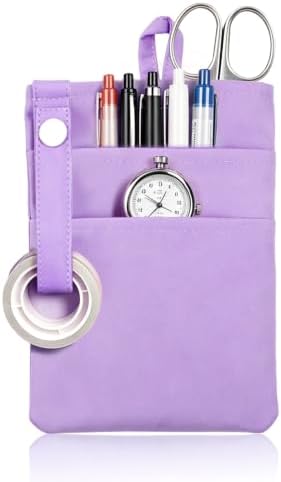
Made for medical work essentials, this 6.3-by-4.1-inch pocket organizer has three compartments for items such as scissors, tape rolls, pencils, pens, and markers. Its lightweight fabric is designed to fit a uniform pocket or attach to scrubs, and a snap-button strap helps keep the contents in place.
The layout is more focused than the general-purpose EDC pouches in this guide. That focus is useful if you need several small clinical tools ready to grab during a shift, but it may not be the best fit for someone looking for a pocket organizer for keys, cards, and everyday tools. Check your uniform pocket dimensions and the size of your equipment before buying.
Pros:
- Three compartments separate small medical essentials.
- Snap-button strap helps secure the contents.
- Lightweight design is intended for uniform pockets or scrubs.
- Suitable for a range of medical professionals and students.
Cons:
- The clinical layout may not suit general everyday carry.
- Its dimensions may be too large for some uniform pockets.
Verdict: Choose this organizer if you need dedicated storage for small medical tools at work, rather than a general-purpose EDC pouch.
How to Choose the Best Pocket Organizer
Match the layout to what you carry
Start with the items you want to keep together. If you carry several compact tools, a design with individual slots can make them easier to access. For flat essentials such as keys or USB drives, an elastic grid may be enough. If your carry includes a mix of tools, cards, and a notebook, look for a pouch with more than one pocket.
Check the size against your pocket and gear
Dimensions affect both comfort and capacity. A small organizer can be easier to carry in a front pocket but may not hold larger tools or many items. A larger pouch offers more room but can feel bulky in fitted clothing. Compare the organizer’s measurements with your pocket and the actual dimensions of the items you plan to carry.
Consider how you want to carry it
Some organizers are designed primarily for pocket or bag carry, while others add a lanyard, webbing loop, or attachment area. Think about whether you want to remove the pouch from a bag quickly, attach it to a belt, or keep it inside a pocket. Choose features you expect to use so they do not add unnecessary complexity.
Look at materials and construction
Fabric choice can affect the feel and weight of a pouch. Canvas, coated nylon, polyester, and X-Pac each suit different preferences. Also consider the construction details that matter for your routine, such as reinforced stitching, zipper quality, or a firm backing. The right balance depends on whether you value a soft, simple holder or a more structured organizer.
Decide whether you need covered storage
Slip pockets and elastic bands make it easy to see or reach items, but they do not enclose them. A zippered pocket can help contain small items such as coins and cards. If you carry loose essentials that could fall out, prioritize a pouch with a closure; if quick access matters more, an open slot layout may be more convenient.
Choose a design suited to your work or routine
A general EDC organizer can work well for tools and personal essentials, but specialized designs may be a better fit for particular jobs. A nurse pocket organizer, for example, is arranged around clinical tools and uniform carry. Consider where you will use the pouch most often, then choose a layout that fits that setting.
Frequently Asked Questions
What is a pocket organizer used for?
A pocket organizer keeps small items such as tools, keys, pens, cards, or other essentials together. It can help prevent loose items from shifting around in a pocket or bag and make frequently used gear easier to find.
Which pocket organizer is best for everyday tools?
The VIPERADE VE1 is a strong fit for compact tools because it has three angled front slots, plus a top pocket and rear zippered pocket. Check your tool dimensions first, since oversized items may not fit its slots.
Can a pocket organizer hold keys and USB drives?
Yes. The NEEVIRID Square Grid is designed for flat items such as keys and USB drives, with elastic bands on both sides. The Maxpedition Platy also includes a concealable rear keyring.
Is a larger organizer always more useful?
Not necessarily. A larger pouch can hold more, but it may feel bulky in a pocket. If you carry only a few small items, a compact design may be easier to keep with you. Check both the organizer’s measurements and the size of your usual pocket.
What should I look for in a nurse pocket organizer?
Look for compartments that suit the tools you use, a design that fits your uniform pocket, and a way to keep items in place. The CCREDONE organizer has three compartments and a snap-button strap for small medical essentials.
Should I choose a zippered pouch or open slots?
Open slots are useful when you want quick access to tools. A zippered pocket can help contain smaller loose items. If you carry both kinds of gear, consider an organizer that combines open slots with a separate pocket.
Final Recommendation
For a versatile everyday carry setup, the VIPERADE VE1 is the strongest all-around choice in this group because it combines dedicated tool slots with separate pockets for smaller essentials. If you prefer a compact front-pocket pouch with flexible carry options, consider the Maxpedition Platy. For flat items, the NEEVIRID grid organizer keeps things simple, while the KOSIBATE offers more room and the CCREDONE is tailored to clinical work. Choose based on what you carry and where you plan to keep the organizer.